Payment Processing Nuances That Affect Handicapping Precision for American Wagering Participants
Written by Yves Hughes · Nov 3, 2026

Payment Processing Nuances That Affect Handicapping Precision for American Wagering Participants
Payment processing in American sports betting involves layers of state regulations, banking partnerships, and platform-specific rules that directly shape how bettors manage funds and time their wagers, and these elements create measurable effects on handicapping precision because delays or fees alter the window for acting on line movements or research updates.
Deposit Timing and Line Movement Windows
Many American operators rely on ACH transfers or prepaid card options that clear in one to three business days depending on the state and the processor, while instant methods like certain e-wallets or debit pushes finish in minutes; those who study these patterns note that a bettor waiting on a slow deposit often misses the initial reaction window when sharp money moves a total or spread, which forces later entry at less favorable numbers and reduces the accuracy of pre-game models that assume immediate access to capital.
Data from industry reports shows that states with mature markets such as New Jersey and Pennsylvania have seen average deposit times shorten since legalization, yet rural or newer markets still experience longer holds that compound during high-volume periods like conference championships or playoff weeks.
Withdrawal Cycles and Bankroll Recalibration
Withdrawal processing introduces another variable because funds held in pending status cannot be redeployed until the operator completes verification and banking rails finish, and observers note that this lag affects handicappers who adjust position sizes based on recent results or new injury data; when a withdrawal takes five to seven days, the available balance for the next slate remains frozen and forces conservative sizing that deviates from the original bankroll allocation model.
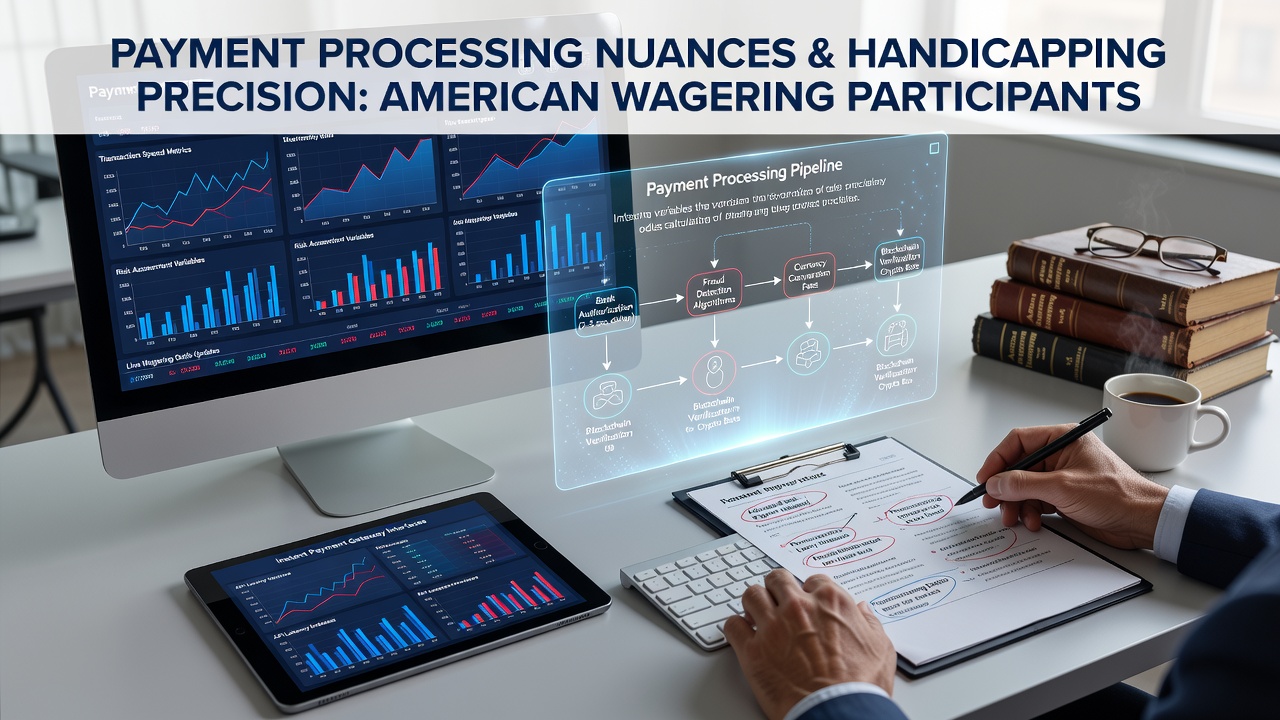
Figures from the American Gaming Association reveal that withdrawal volumes spike after major events, which strains processor capacity and extends average completion times across multiple states, while those who track these cycles report that consistent delays lead bettors to maintain separate reserve accounts at different operators to maintain liquidity.
Fee Structures and Net Odds Adjustment
Transaction fees, whether explicit or embedded in currency conversion for international cards, reduce the effective stake that reaches the betting account, and researchers have observed that even small percentages require recalibration of expected value calculations because the true risk-reward ratio shifts once the fee is deducted; American participants who use crypto on-ramps sometimes encounter network costs that vary by blockchain congestion, adding another layer that must be modeled into long-term handicapping records.
One study released by a Canadian research institute compared fee impacts across North American jurisdictions and found that operators absorbing certain processing costs in competitive markets allowed bettors to maintain closer alignment between theoretical and realized returns, whereas platforms passing fees directly created measurable drift in precision metrics over hundreds of wagers.
State Regulatory Variations in November 2026
By November 2026, several states continue to refine their payment rules, with some requiring additional identity checks that add days to first-time deposits while others streamline verification through shared databases; these differences mean a handicapper operating across borders must account for jurisdiction-specific timelines when planning multi-state bankroll movement, and the variation becomes especially relevant during overlapping professional and college seasons when simultaneous opportunities arise.
Regulatory updates in states such as Ohio and Maryland have introduced faster settlement mandates for certain methods, yet compliance still depends on the operator's chosen partners, which creates inconsistent experiences even within the same market.
Live Betting and Real-Time Precision Challenges
Live betting magnifies payment issues because in-game lines shift rapidly and require immediate funding decisions; when a deposit processes too slowly to catch a momentum swing or when a withdrawal hold prevents topping up an account mid-game, the handicapper loses the ability to execute the precise timing that models predict, and data indicates that participants who maintain multiple funded accounts across different processors report higher success rates in capitalizing on in-play discrepancies.
Those who have examined transaction logs from major sportsbooks note that peak live betting hours coincide with the highest processor loads, which occasionally triggers temporary holds that further compress the decision window.
Conclusion
Payment processing details in American sports wagering therefore function as an under-the-surface variable that influences the practical application of handicapping work, because timing, fees, and regulatory differences determine whether research translates into executed bets at the intended odds and stakes; operators, regulators, and participants continue to adapt these systems as markets mature, and the resulting changes directly affect the consistency with which bettors can act on analytical edges across state lines.