Navigating Identity Confirmation Obstacles During Cash Outs from Authorized American Betting Operators
Written by Harper Günther · Oct 20, 2026
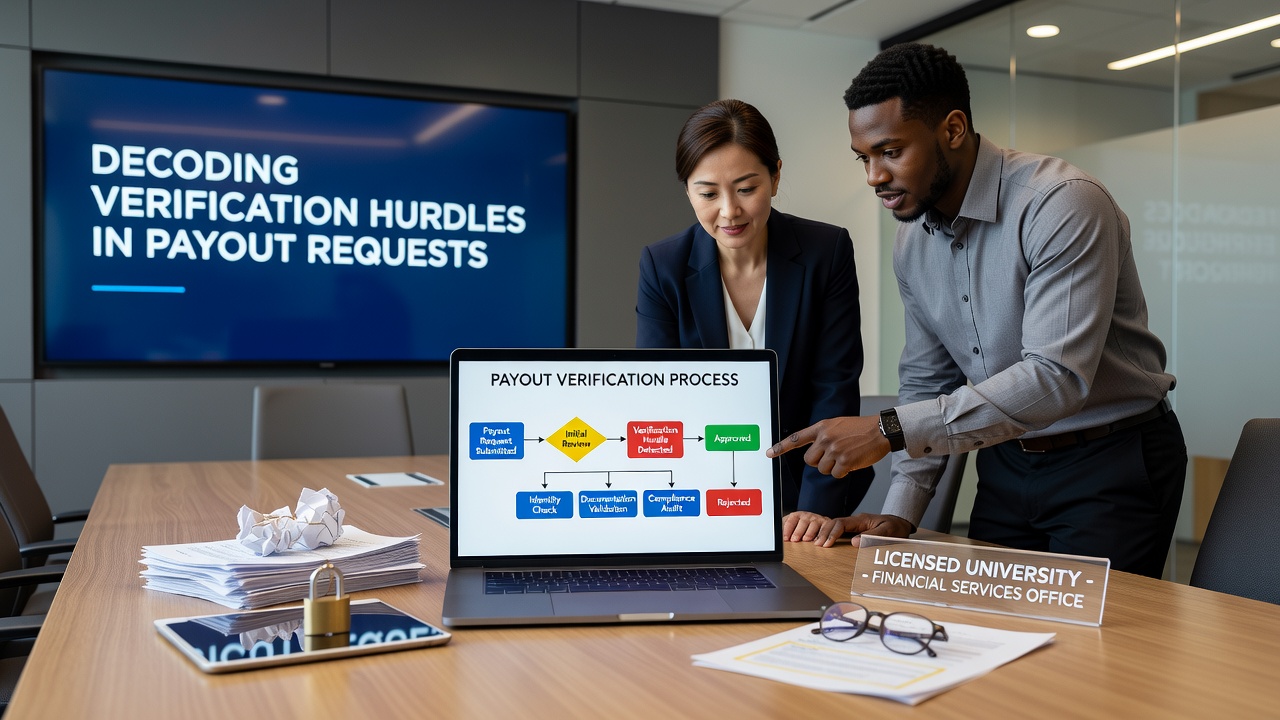
Navigating Identity Confirmation Obstacles During Cash Outs from Authorized American Betting Operators
Verification steps form a core requirement at licensed US sportsbooks where operators must confirm user identities before releasing funds from payout requests, and this process draws from state regulations that took shape after the 2018 PASPA repeal. Multiple layers of checks often appear in October 2026 as platforms handle growing transaction volumes, with data from industry reports showing that identity mismatches account for a significant portion of delayed withdrawals across regulated markets.
Regulatory Foundations Behind Verification Demands
State gaming commissions enforce know-your-customer rules to prevent fraud and money laundering, which means licensed operators collect government-issued identification along with proof of address and banking details that match the account holder. Researchers at various academic institutions have documented how these mandates create consistent patterns across jurisdictions, where users face requests for utility bills or bank statements that align with the registration address. According to figures from the American Gaming Association, compliance protocols reduced unauthorized payout attempts by measurable percentages in recent years, yet the same standards extend processing times for many account holders.
Typical Hurdles Encountered in Payout Flows
Common barriers include discrepancies between submitted documents and account information, such as name variations from marriage records or address updates that fail to sync with the platform database. Payment method verification adds another step when users select options like e-wallets that require separate confirmation of ownership, and experts observe that first-time withdrawal requests trigger the most intensive reviews. In cases where users upload photos of IDs taken in poor lighting or with glare, automated systems flag them for manual review, which stretches timelines from days into weeks depending on the operator's staffing levels.
Document Submission and Matching Requirements
Operators require clear scans or photos of driver's licenses, passports, or state IDs paired with recent bank statements that display the user's name and address in matching formats. Those who've studied this process know that expired documents prompt immediate rejections, while partial uploads force users to restart the entire sequence. What's interesting is how some platforms integrate third-party verification services that cross-reference data against public records, although mismatches in middle initials or suffix notations still generate holds that users must resolve through direct support channels.
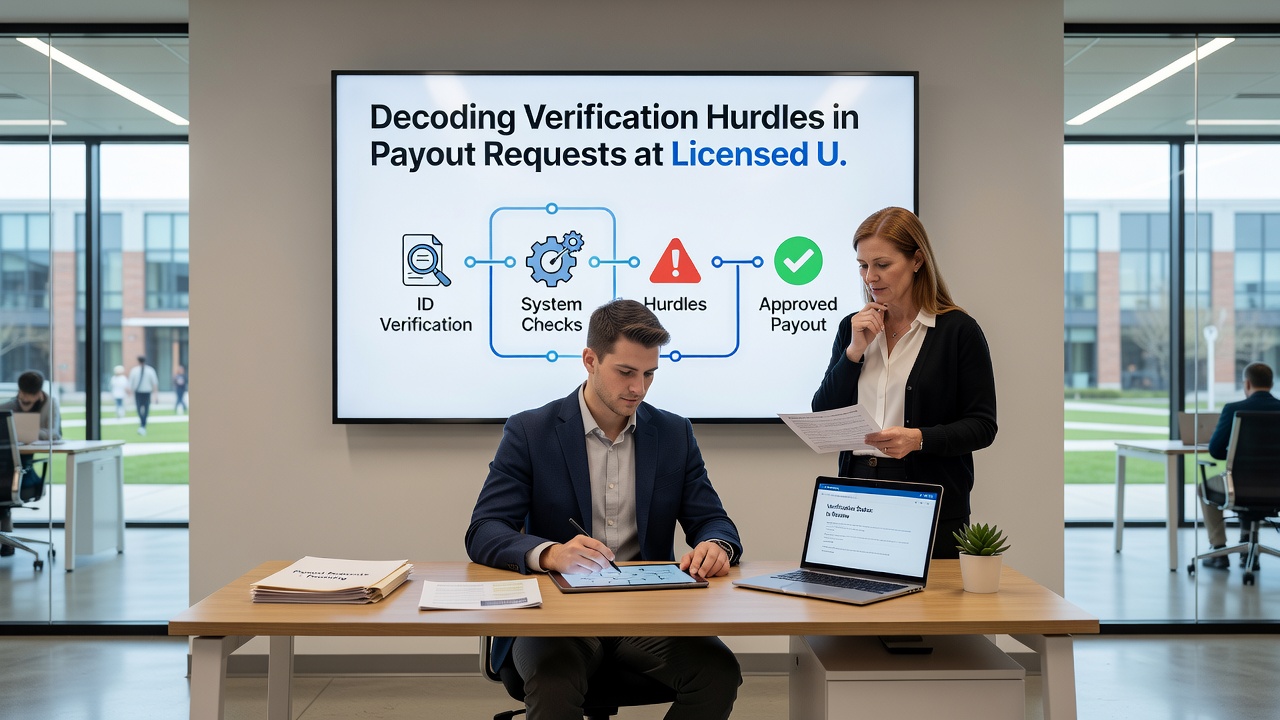
One study revealed that geographic variations play a role, with stricter rules in states like New Jersey and Pennsylvania compared to newer markets where operators test streamlined digital options. Take one account holder who encountered repeated requests for additional selfies holding the ID next to their face, a step designed to combat identity theft but one that adds friction to the cashout experience. Data indicates these extra measures correlate with lower fraud rates according to reports from state regulators such as the Pennsylvania Gaming Control Board.
Strategies That Streamline the Process
Users who prepare documents in advance often complete verification faster because they anticipate common requests before initiating a payout. Observers note that keeping digital copies of current identification and utility bills on hand reduces back-and-forth exchanges with support teams. Research indicates that selecting consistent payment methods across deposits and withdrawals minimizes ownership verification flags, while regular account updates for address changes prevent last-minute surprises during October 2026 peak betting periods around major events.
Industry organizations have compiled resources that outline best practices for maintaining verified status, which helps account holders avoid the most frequent pitfalls. Figures reveal that proactive verification during account setup leads to quicker approvals when payout requests arrive, and this approach aligns with guidelines from various government agencies overseeing gaming activities.
Conclusion
Verification hurdles in payout requests at licensed US operators stem directly from regulatory requirements that prioritize security and compliance, and understanding these layers allows users to prepare accordingly. Data shows ongoing refinements in digital tools that may ease some friction points over time, while state-specific rules continue to shape how platforms handle identity confirmation. Those who maintain accurate records and follow platform instructions encounter fewer interruptions when requesting withdrawals from their betting accounts.