How Sportsbook Blacklists Connect to Stronger Handicapping Results for US Bettors
Written by Harper Günther · Sep 22, 2026
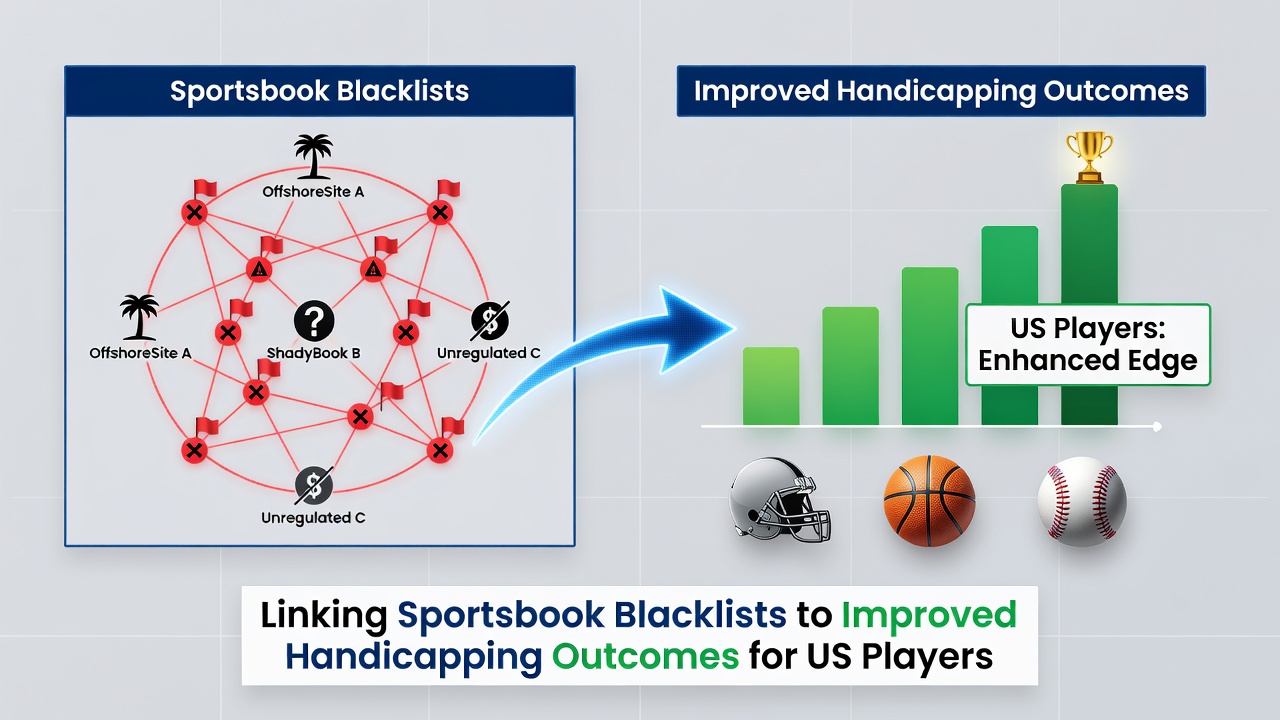
How Sportsbook Blacklists Connect to Stronger Handicapping Results for US Bettors
Blacklists of sportsbooks have grown into structured resources that US players consult when selecting operators, and these lists tie directly into handicapping practices because they flag platforms with histories of payment delays, line manipulation, or restricted account access. Handicappers who filter out those operators gain access to consistent odds data and reliable settlement processes, which in turn supports more accurate analysis of spreads, totals, and player props across major leagues.
Research from the American Gaming Association shows that regulated markets in states like New Jersey, Pennsylvania, and Michigan processed over $120 billion in wagers by mid-2025, with operators outside approved channels frequently appearing on avoidance lists maintained by player advocacy groups. Those lists compile complaints filed with state gaming commissions and highlight patterns such as sudden withdrawal limits or odds that diverge sharply from market averages.
Defining Blacklists in the Current US Market
Blacklists function as compiled records rather than official regulatory documents, yet they draw from verified player reports and cross-reference data released by bodies such as the Nevada Gaming Control Board. Observers note that these records update monthly, incorporating new entries when multiple users document identical issues with a single operator. In September 2026 several states expanded their data-sharing agreements, which allowed blacklist maintainers to include fresh statistics on delayed payouts exceeding thirty days.
Players who integrate blacklist checks into their workflow often review an operator's status before loading lines into their handicapping models. This step prevents scenarios where an account freeze occurs after a winning streak, an event that disrupts bankroll tracking and forces adjustments to future bet sizing calculations.
Handicapping Data Integrity and Operator Reliability
Accurate handicapping relies on historical line movement, closing odds, and injury reports that remain stable across platforms. When a sportsbook appears on a blacklist, its data frequently shows irregular movement patterns that do not align with sharp action reported by other books. Researchers at the University of Nevada, Las Vegas documented cases where blacklisted operators posted totals that closed two points higher than the consensus, creating distortions that later proved unreliable for modeling purposes.
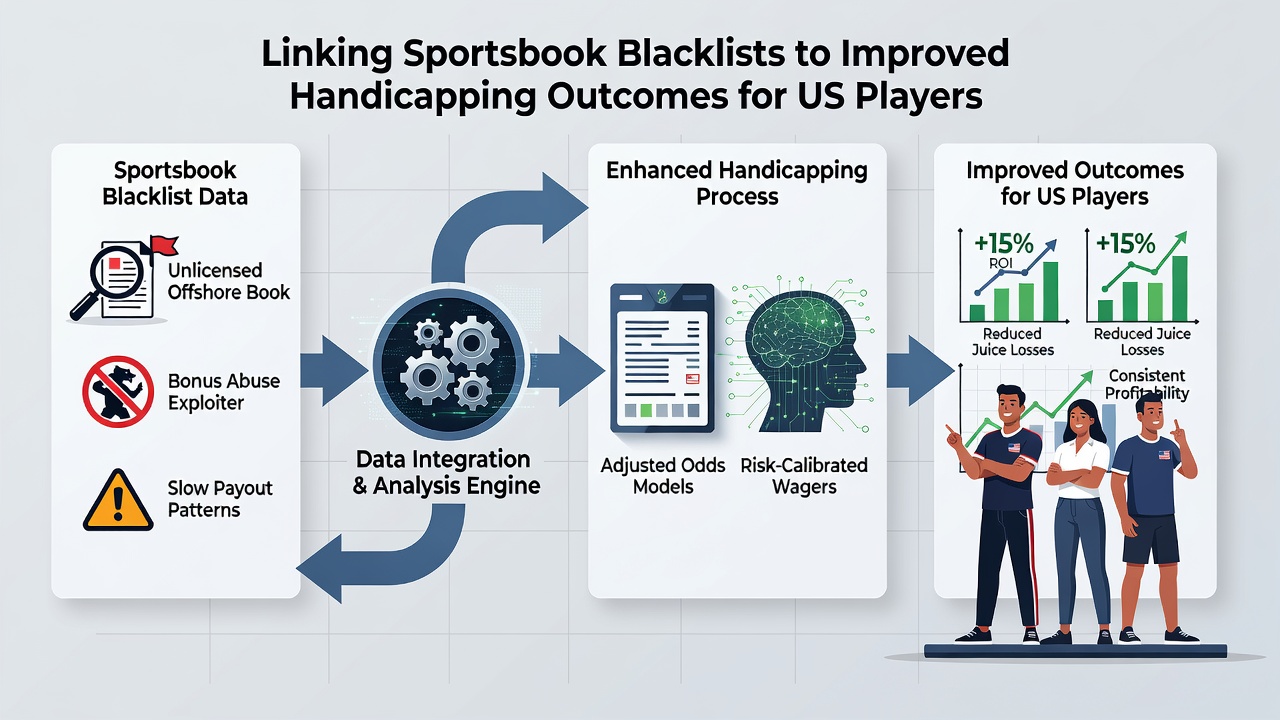
Those who exclude such operators from their rotation report cleaner datasets for regression analysis and correlation studies between team statistics and final scores. The process resembles filtering noise from a signal, allowing models to focus on variables such as pace, efficiency ratings, and weather impacts without contamination from artificial line shading.
State-Level Regulatory Shifts and Blacklist Evolution
Regulatory changes in 2026 prompted several state commissions to publish quarterly enforcement summaries that blacklist curators now incorporate into their updates. Data released by the New Jersey Division of Gaming Enforcement, for example, listed specific license conditions that led to temporary suspensions, and those details quickly migrated into player-maintained avoidance lists. Bettors who cross-reference these official summaries with blacklists gain an additional layer of verification before committing bankroll to a new platform.
Handicappers in states with newer markets, such as North Carolina and Ohio, have begun publishing their own regional blacklist supplements that account for local tax structures and geofencing rules. These supplements highlight operators that impose withdrawal fees above the state average, a factor that reduces net returns even when the initial wager analysis proves correct.
Practical Integration into Daily Handicapping Routines
Many serious bettors now maintain a pre-game checklist that includes a quick blacklist scan alongside injury report reviews and line shopping across three to five approved books. This routine prevents allocation of analytical effort toward lines that later become unavailable due to account restrictions. Case examples shared in industry forums describe situations where a sharp total bet was placed on a blacklisted book, only for the payout to arrive after thirty-five days, forcing the handicapper to adjust subsequent unit sizes and risk tolerance.
Software tools that scrape public line data have started tagging feeds with blacklist status indicators, which allows users to exclude flagged operators automatically when exporting historical odds into spreadsheets. The result is a dataset that more closely mirrors the closing line values reported by major syndicates and professional betting groups.
Conclusion
Blacklist resources and handicapping outcomes intersect at the point where data reliability meets operational trust. US players who incorporate verified avoidance lists into their selection process maintain cleaner records of line movement and settlement times, which supports more precise modeling of game outcomes across football, basketball, and baseball. As state regulators continue releasing enforcement data in 2026 and beyond, the connection between operator screening and analytical accuracy is likely to strengthen further.